Found 2489 Product.


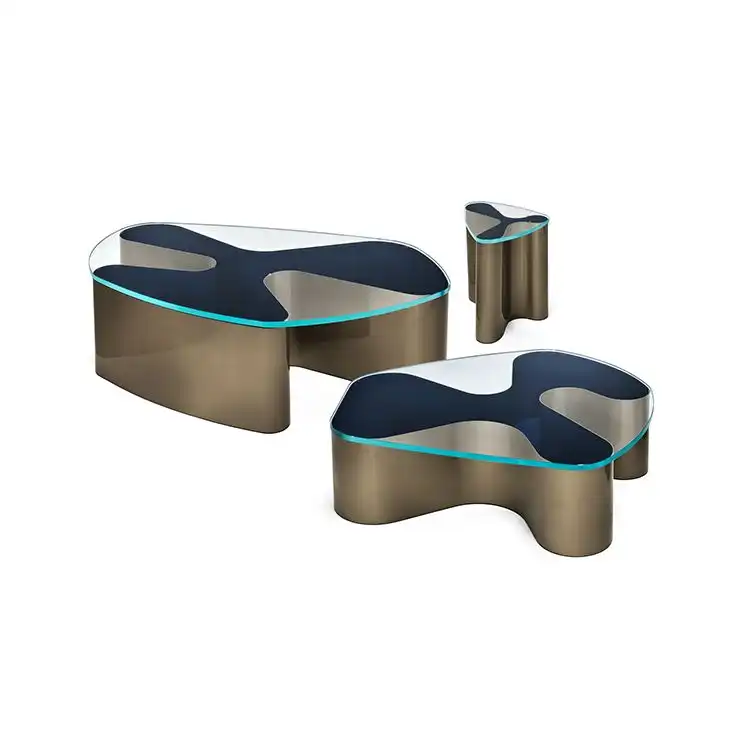
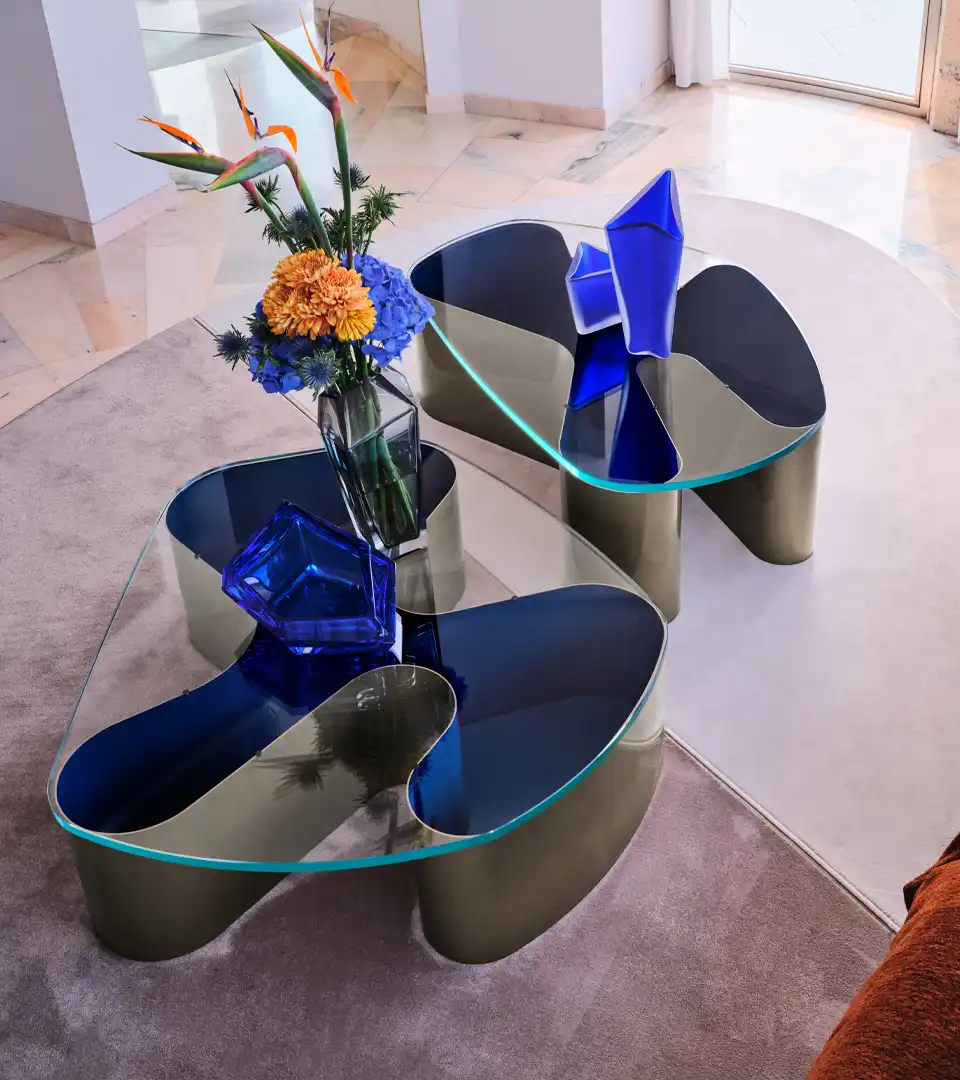
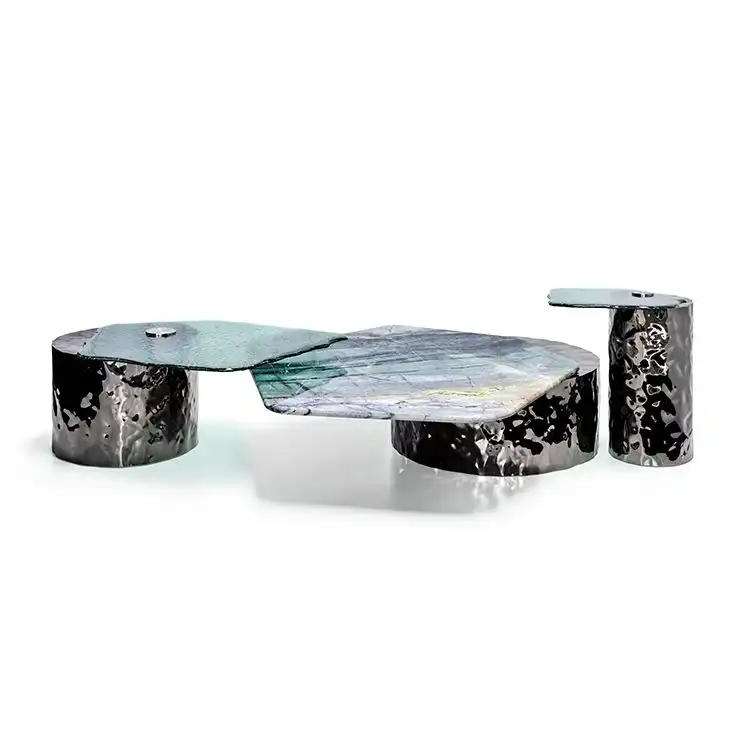
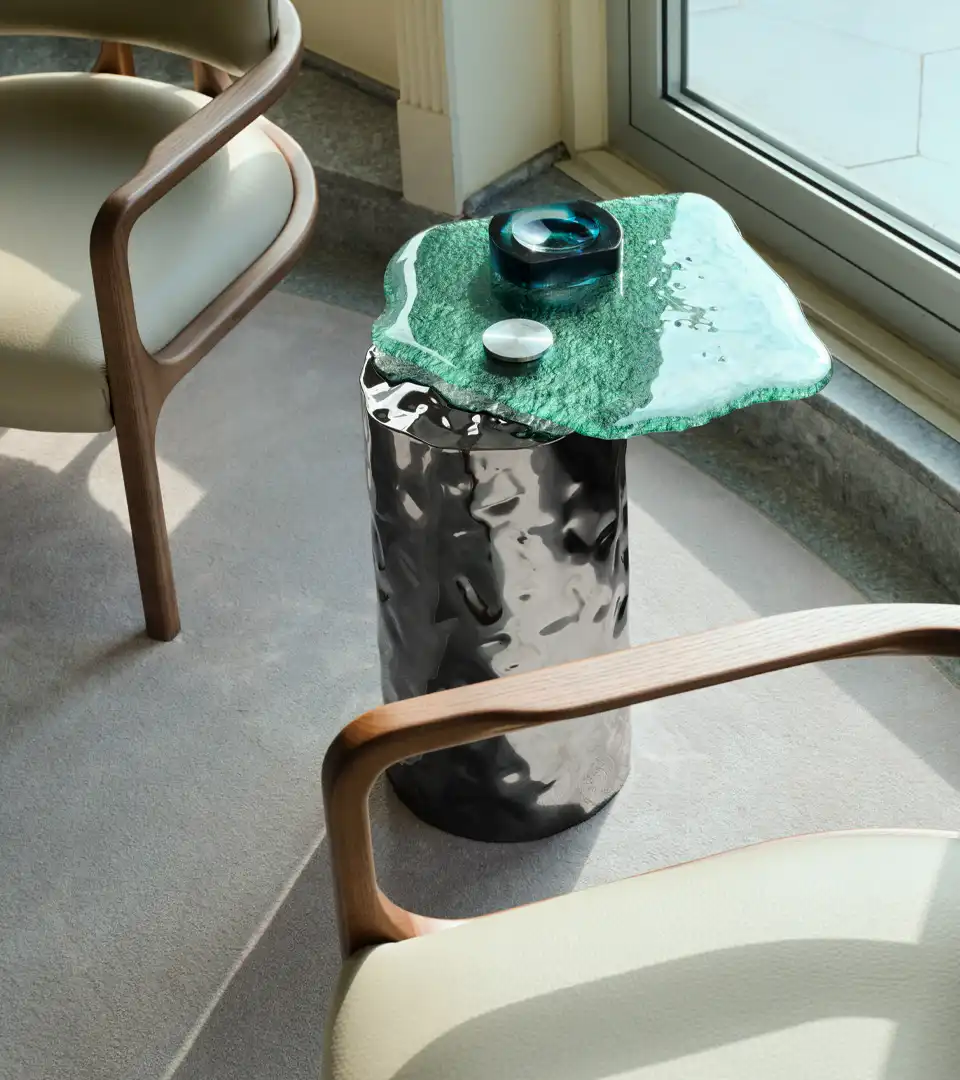


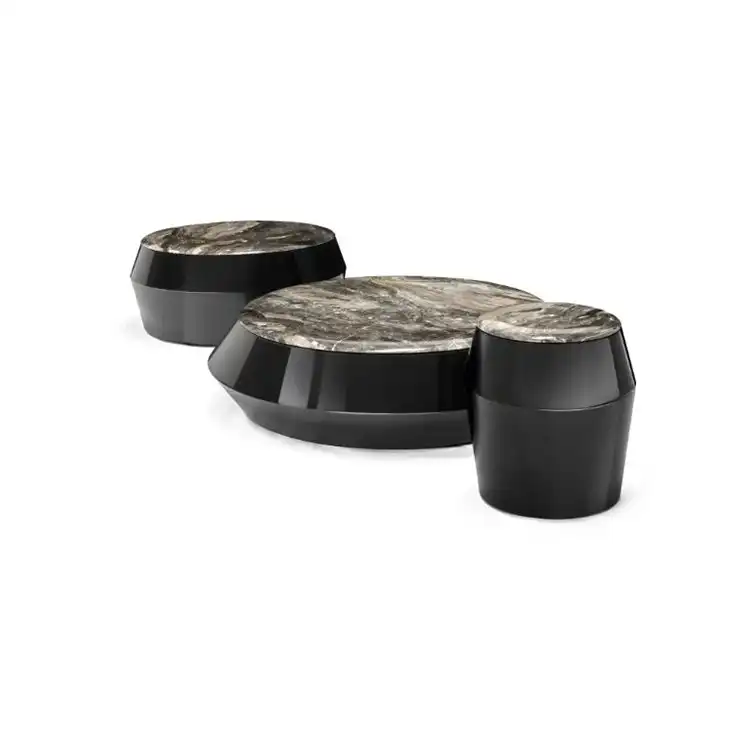

UFO by Arketipo Firenze - Sometimes it’s better to accept and believe. Sometimes it’s better to question and probe. But just saying, UFO says something else. It says make an entrance that people won’t forget, and sometimes won’t believe. UFO by Mauro Lipparini, where hospitality makes a grand arrival.
Fewer words than UFO have such universal meaning, no matter where you go. Think of how it speaks to something new, something unknown, something that shifts our perception of space and possibility. It’s a presence we can’t predict, an object we can’t quite define yet it stays with us. It’s an arrival of the senses.
And herein lies Mauro Lipparini’s, UFO. Captured, is a vision of fluidity and form, where sleek metal structure meets a spacious circular surface, a meeting point of elegance and practicality. It lands effortlessly in any space, expanding the very idea of hospitality—an invitation to gather, to connect, to explore.
The future never asks permission. It simply land in your living room. And that is precisely what UFO capture.


We can go back as early as 4th Century BC China to find room separators. They allowed people of that time to create homogeneous spaces, dedicated to differentiated practices of use. One ceremonial, one private.
When we divide our interiors, we are making a conscious effort to bring something dynamic to a room, to the way we live and the way we respond to the challenges that our interiors face. In essence, a physical partition, like Hide Me, is representing the way we also choose to live our lives. We choose to move from one area to another in order to better manage each thing in separation.
And this is what Gino Carollo has managed to do. In Hide Me, he has created two different types of separation, one from the ground, the other from the ceiling. Each panel is a combination of more materials: zebrano or eucalyptus wood, mirror, varnished wood and metal inserts. By making this obvious contrast, this obvious separation so detailed and yet so measured it reflects our own internal needs and interior acknowledgements.
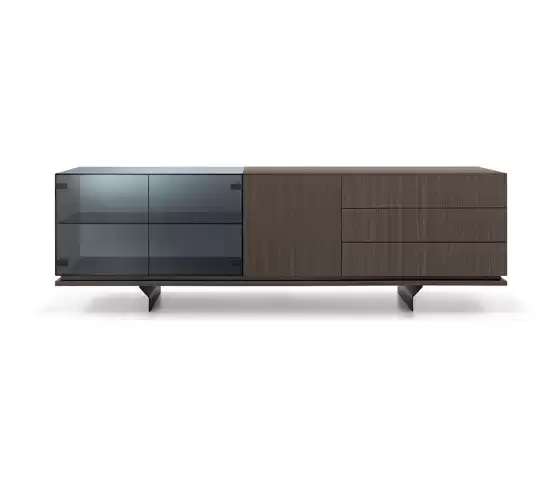
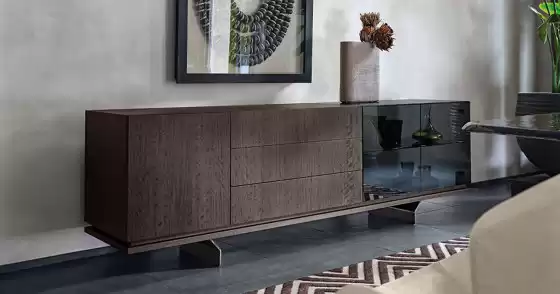
The city is a melting pot of ideas, cultures, people, and identities. How can you channel that into something we can all take into our own lives, our own living situations? Gino Carollo may present us with an answer.
With its frame in eucalyptus and zebrano wood, a smoked glass segment, Brooklyn has a lot going on in one beautifully designed product; not too dissimilar to a place which even New York raised Anthony Bourdain famously quipped, “I have never truly gotten to know.”